Commercial & Municipal Integration
Extending utility beyond transit into emergency response and industrial infrastructure.
Infrastructure 01
Emergency Firefighting & High-GPM Pumping
When operating on a sea, lake, or river, quick-connect Storz cam-lock adapters (10C) can be clamped directly over the deployed pump-jet nozzles.
- High-Pressure Manifold: Directs multi-thousand GPM water streams through internal chassis plumbing (8) for municipal wildfire suppression and irrigation.
- Stationary Anchoring: Bow winches (8C) and anchors (8D) secure the craft in high-current waterways during sustained pumping operations.
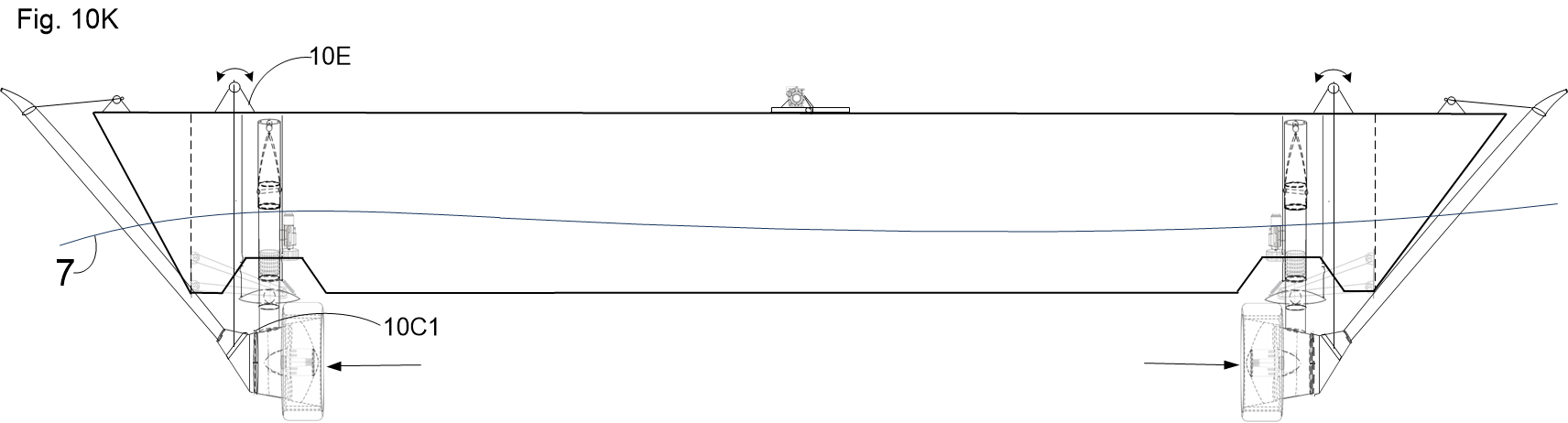 Fig. 10K — High-Powered Water Pumps in Operation
Infrastructure 02
Submersible Defense & Littoral Recon
Equipped with a sealed watertight hull and active buoyancy compensation cells, the vehicle transitions seamlessly into a fully controllable underwater submersible.
- 360° Vectoring: Steer-by-wire servo pinions and independent hydrofoil incidence control allow zero-radius maneuvers and precise depth maintenance.
- Silent Approach: Electric rim-drive propulsion ensures minimal acoustic signature during specialized reconnaissance and environmental research missions.
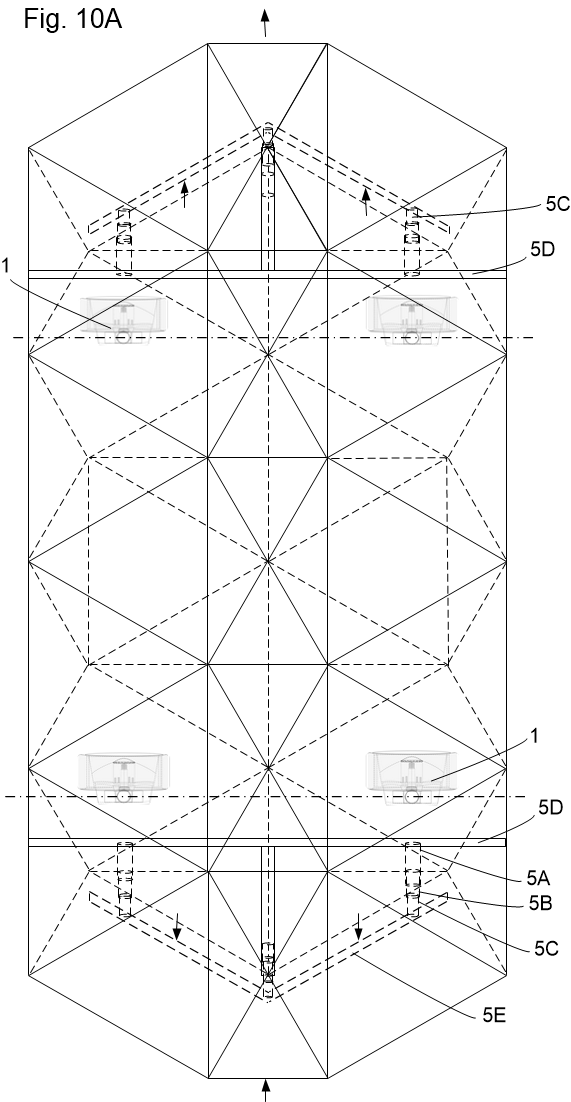 Fig. 10A — Octet Chassis in Submersible / Water Stance